

This homemade Thai Curry Paste packs a robust and amazing taste you simply can’t get from store-bought versions. It’s made with fresh ingredients, customizable heat, and a depth that takes every dish to the next level.
I still remember the first time I made Thai curry paste from scratch. I carefully chopped lemongrass and garlic, delicately handled fiery chilies, and mixed in bright and zesty herbs, not sure exactly what to expect from the mix of ingredients.
The moment the blender started, everything changed. The fragrance filled my kitchen with citrusy, warm smells. That’s when I realized how simple ingredients can create something incredibly special.
Table of Contents
About Thai Curry Paste
Thai curry paste is one of those kitchen staples that quietly holds everything together. It’s the ingredient that shows up, does the heavy lifting, and never asks for credit. It's basically the unsung hero of Thai cooking.
Made from chilies, herbs, citrusy aromatics, and spices; all get blended into a smooth paste that brings heat, depth, and that signature Thai “wow” factor.
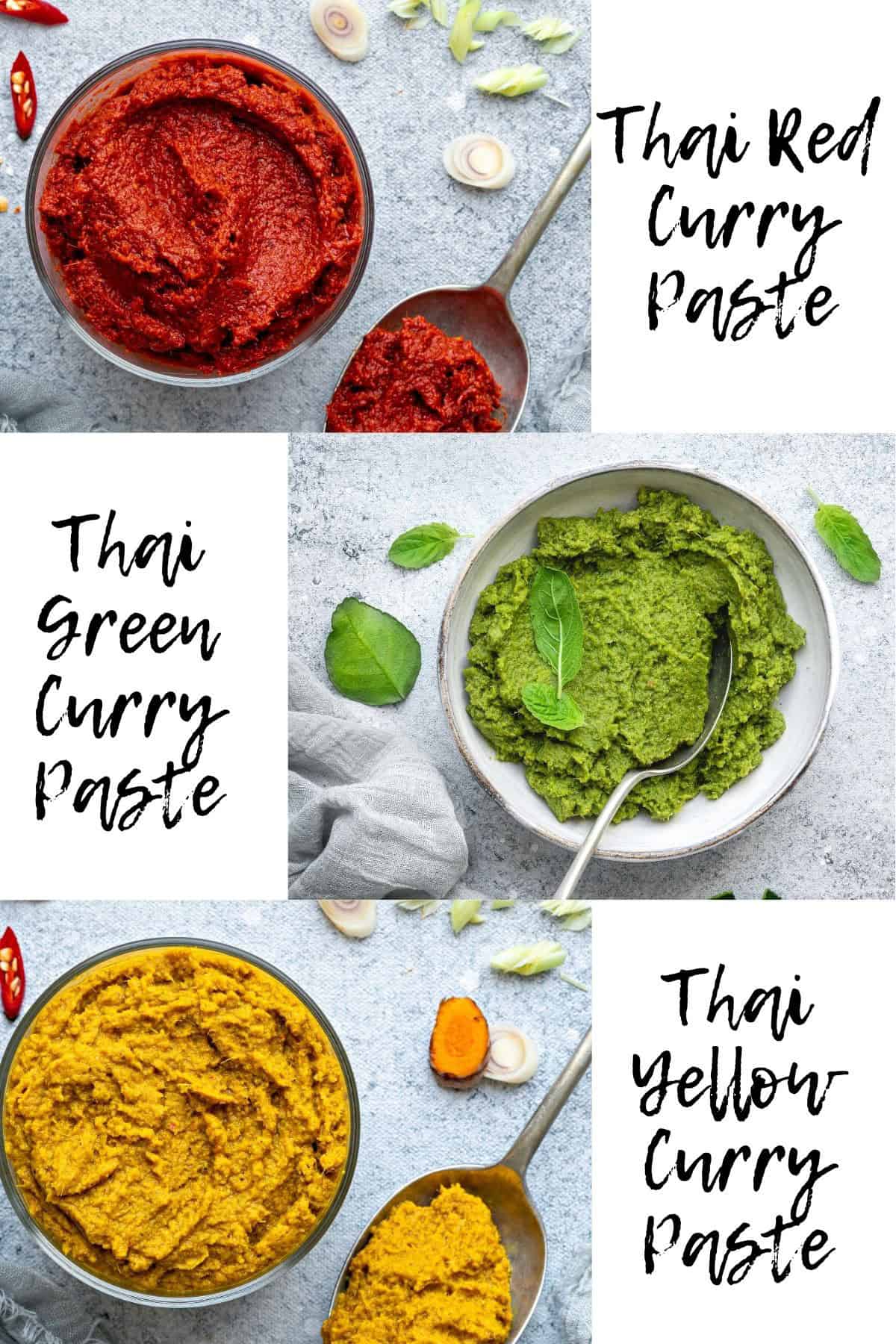
In Thai, curry paste is called prik gaeng, which simply means “chili paste for curry.” I love that. No fuss, no mystery, just what it is. The three most common Thai curry pastes each have their own personality.
- Green Curry Paste (Prik Gaeng Keow Waan) with its fresh green chilies, Thai basil, and lemongrass gives it that bright, herbal, “I could eat this with a spoon” feeling.
- Red Curry Paste (Prik Gaeng Phed) has dried red chilies that bring the heat and that warm, earthy depth. It tastes like the cozy sweater of curry pastes.
- Yellow Curry Paste (Prik Gaeng Karee) contains turmeric and gentle spices, creating a golden paste with the softest heat. It’s like sunshine but in curry paste form.
The first time I made curry paste the traditional way, I soaked dried chilies for 30 minutes and pounded everything by hand with a mortar and pestle. The slow, rhythmic work coaxed out every bit of aroma and oil. It was beautiful, and absolutely not something I can make time for most weeknights. So I switched to a high-speed blender, and honestly, my curries only improved.
Now I can adjust the flavor exactly how I want it: more lime for zing, extra garlic for punch, fewer chilies when I need gentle heat. The blender really is your best friend for homemade curry pastes.
Why this recipe is a keeper?
There’s something deeply satisfying about making curry paste at home. I love seeing the vibrant reds, greens, and yellows come together in a smooth paste. It's spicy, aromatic, and fresh, always brings a little moment of joy.
The flavor is naturally vibrant in a way store-bought jars can’t quite mimic. Every ingredient actually tastes like itself; the chilies bring real heat, the galangal has that sharp peppery bite, lemongrass wakes everything up, and lime zest keeps things lively. It’s like the ingredients finally get to show off!
Plus, you can tweak everything. Make it mild for family dinners or crank up the heat for friends who say they love spicy food (you know the ones). It works in everything from curries to stir-fries, soups, noodles, and marinades.
*Want more recipes like this one? Try these below!
Here's what you'll need
One thing that surprises most people is that red, green, and yellow Thai curry pastes actually start with the same base ingredients. The personality, the color, and the type of heat all come later from the chilies and spices you choose. But the foundation stays the same, kind of like good recipes and good habits!
The base ingredients for Thai curry pastes:
- Lemongrass: Adds a lemony aroma and freshness that brightens and lifts the paste.
- Galangal: Gives a sharp, peppery, pine-like flavor that makes Thai curry taste unmistakably authentic.
- Garlic: Brings a punch in the curries that ties all the spices and herbs together.
- Shallots: Adds a light sweetness that softens the heat and rounds out the paste.
- Coriander Roots: Offers a deep, earthy fragrance that makes the paste taste grounded and rich.
- Lime Zest/Peel: Adds citrus notes that make the paste feel lively.
- Bird’s Eye Chilies: Delivers a sharper, more vibrant heat that wakes up the whole dish.
- Shrimp Paste: Adds savory, salty richness that gives the paste its deep umami flavor.
- Sea Salt: Naturally enhances every aromatic ingredient.
Red Curry Paste Ingredients
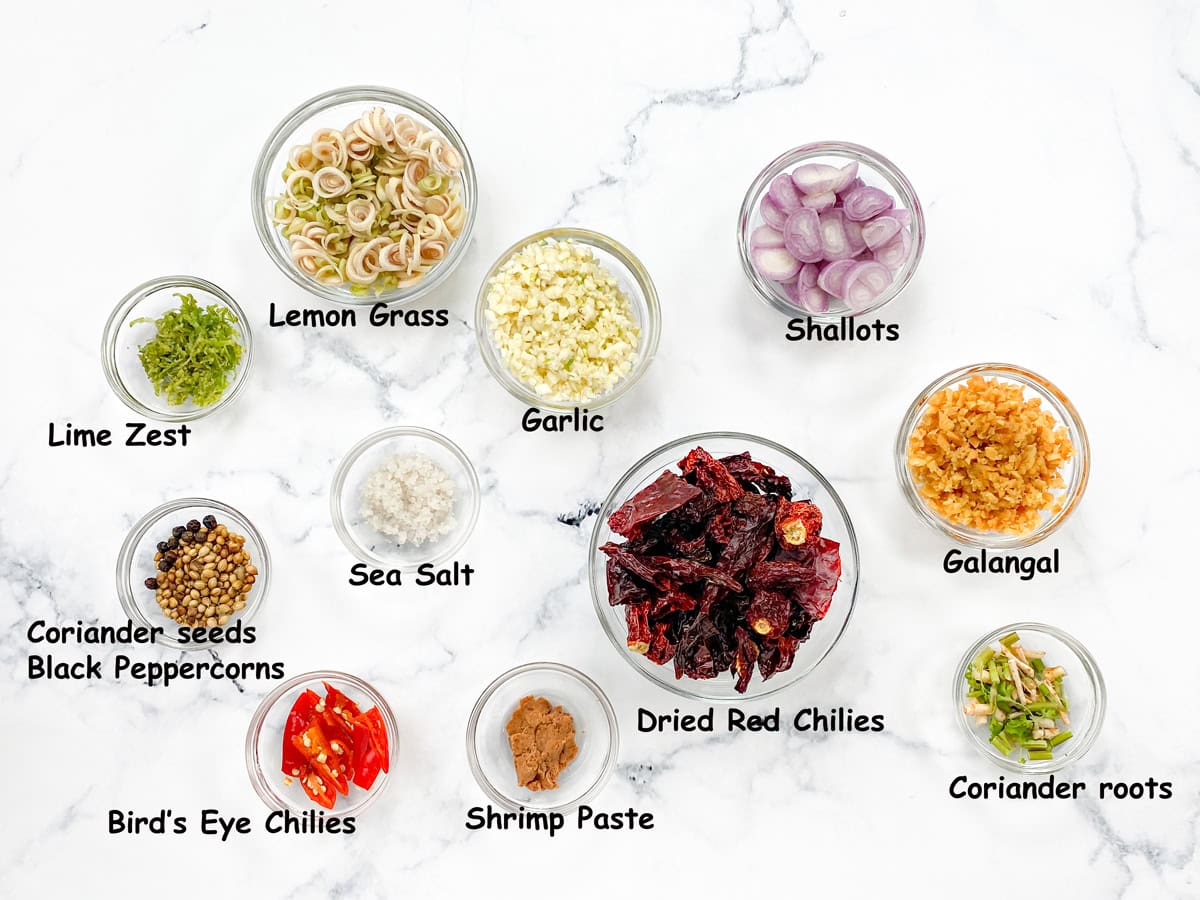
- Mild Dried Red Chilies: Brings a warm, mellow heat and the deep red color that makes red curry so vibrant.
- Black Peppercorns: Provides a gentle peppery bite that lingers softly in each spoonful.
- Coriander Seeds: Adds a warm, nutty aroma that gives the paste its classic, earthy backbone.
Green Curry Paste Ingredients
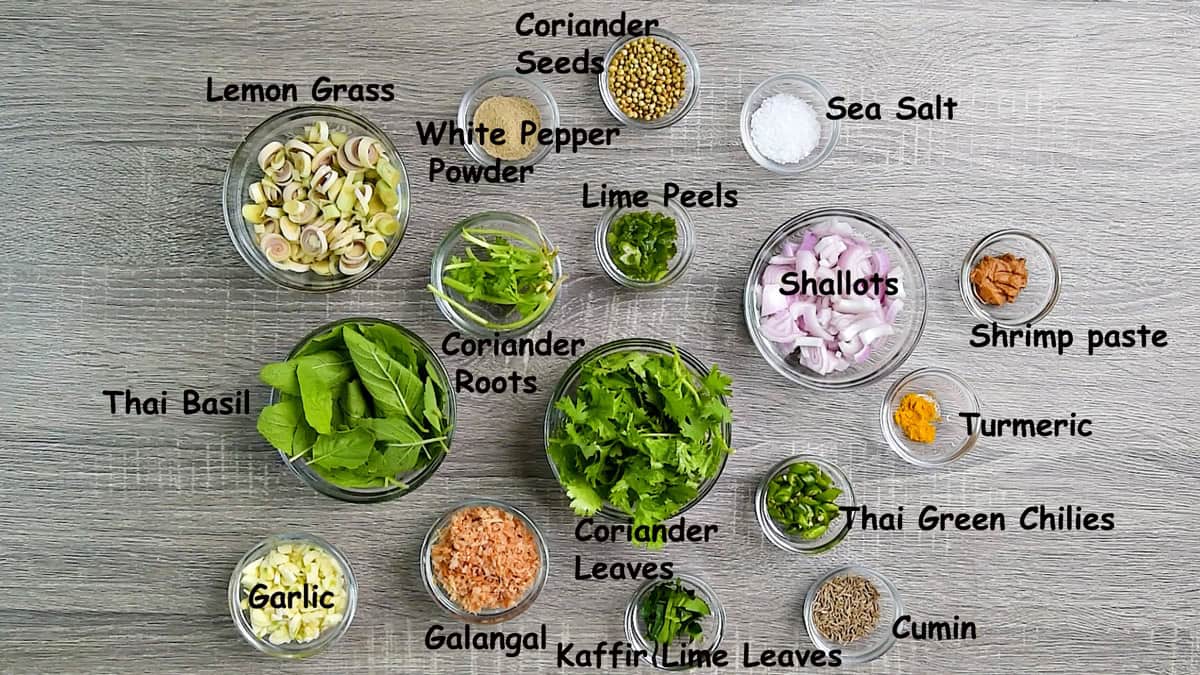
- Thai Basil: Adds a sweet, peppery aroma that makes green curry taste amazing.
- Thai Green Chilies: Give the paste its vibrant green color and vibrant heat.
- Coriander Leaves: Offers a fresh, herbal note that keeps the paste light and aromatic.
- Kaffir Lime Leaves (makrut lime leaves): Adds citrus aroma that smells almost floral and instantly recognizable.
- Cumin: Brings earthy warmth that makes the paste taste well-rounded and comforting.
- White Pepper Powder: Gives a gentle, warming heat with a slightly earthy finish.
- Turmeric: Adds earthy notes and gives the paste a soft golden-green glow.
Yellow Curry Paste Ingredients
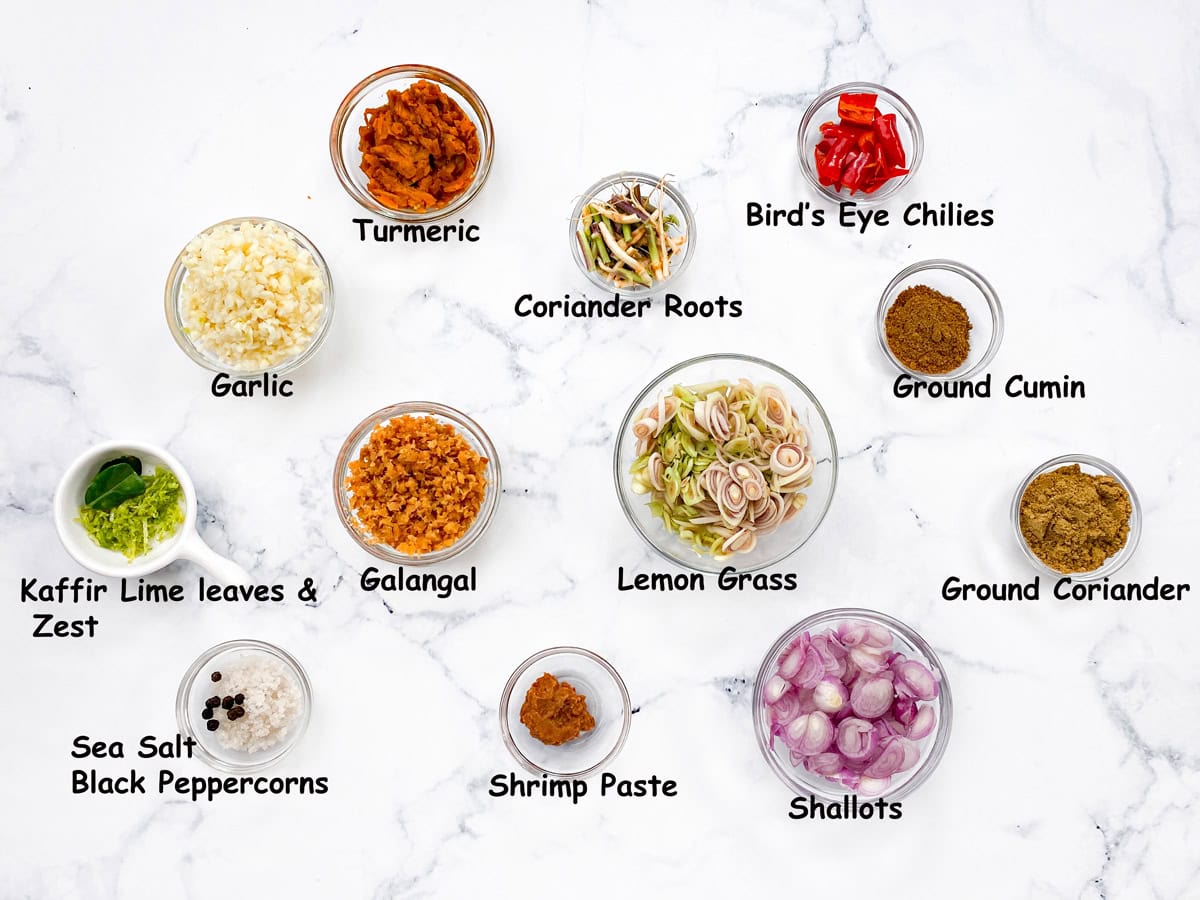
- Fresh Turmeric: Provides a warm, earthy bitterness and the signature golden color of yellow curry. For fresh turmeric, you can use 3 tablespoons, or if using powder, you will only need 1 tablespoon.
- Ground Coriander: Brings gentle earthy depth that helps round out the paste.
- Ground Cumin: Brings an earthy taste that gives yellow curry its cozy, savory flavor.
- Black Peppercorns and Sea Salt: Brings gentle spice and balanced seasoning to tie everything together.
How to make Thai red curry paste?
Start by adding 15 mild dried red chilies, 2 teaspoons coriander seeds, 1 teaspoon sea salt, 6–8 black peppercorns, 3–4 coriander roots with stalks, 2 chopped lemongrass stalks, and 3 tablespoons chopped galangal to your high-speed blender.
As they grind down into crumbs, the aroma instantly comes alive! Warm, peppery, and deep, like the beginning of every good Thai curry.


Next, add ¼ cup chopped shallots, ¼ cup chopped garlic, 1 lime’s worth of zest, 4–5 bird’s eye chilies, 1 teaspoon shrimp paste, and 3–4 tablespoons water. This is the moment everything transforms. When you blend it smoothly, the paste turns a bright, beautiful red, and strong with flavor. Sweet from the shallots, sharp from the lime, fiery from the chilies.


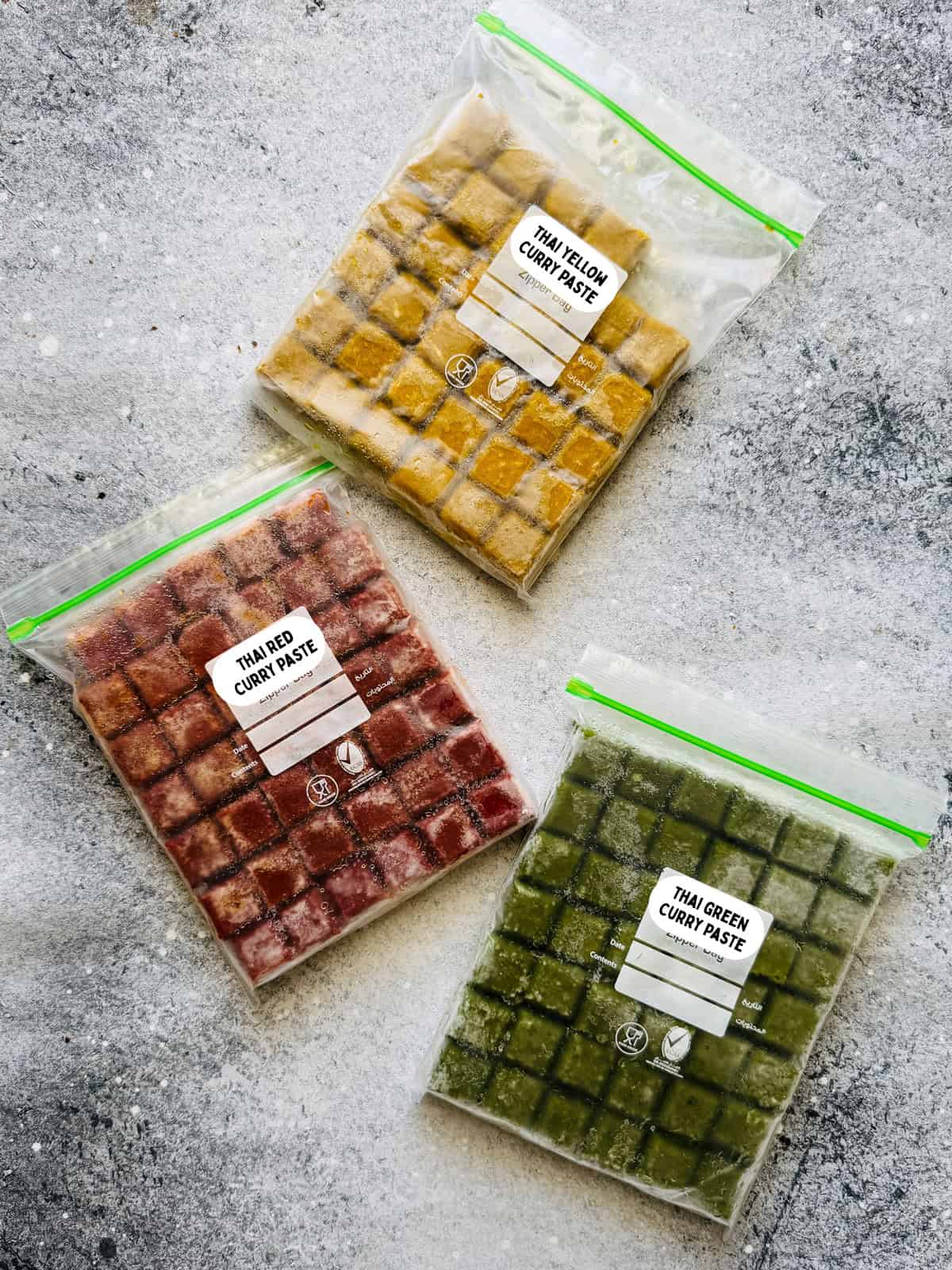
Taste and adjust the heat if you need to. Then spoon the paste into a clean jar and refrigerate for up to a week, or freeze in silicone ice cube trays for ready-to-use portions that keep for up to 3 months.

How to make green curry paste?
In your blender, combine 4 chopped lemongrass stalks, 3 tablespoons chopped galangal, 10 chopped garlic cloves, 1 tablespoon coriander seeds, 1 teaspoon cumin seeds, and 3–4 coriander roots.
When you blitz them down, the mixture becomes intensely herbal and vibrant. The kind of aroma that makes green curry so iconic.
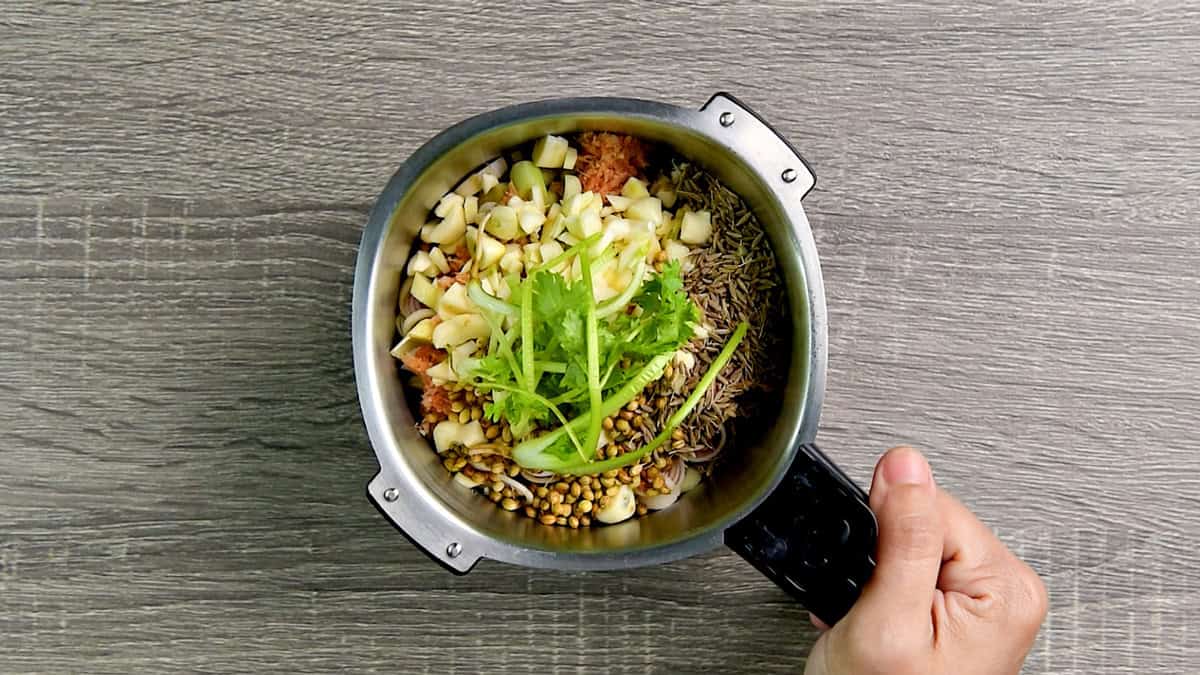

Then add ¼ cup chopped shallots, 8 Thai green chilies, 3 Kaffir lime leaves, 1 Kaffir lime’s zest, 20 Thai basil leaves, ¼ cup coriander leaves, 1 teaspoon white pepper powder, 1 teaspoon sea salt, ¼ teaspoon turmeric, 1 teaspoon shrimp paste, and 2–3 tablespoons water.
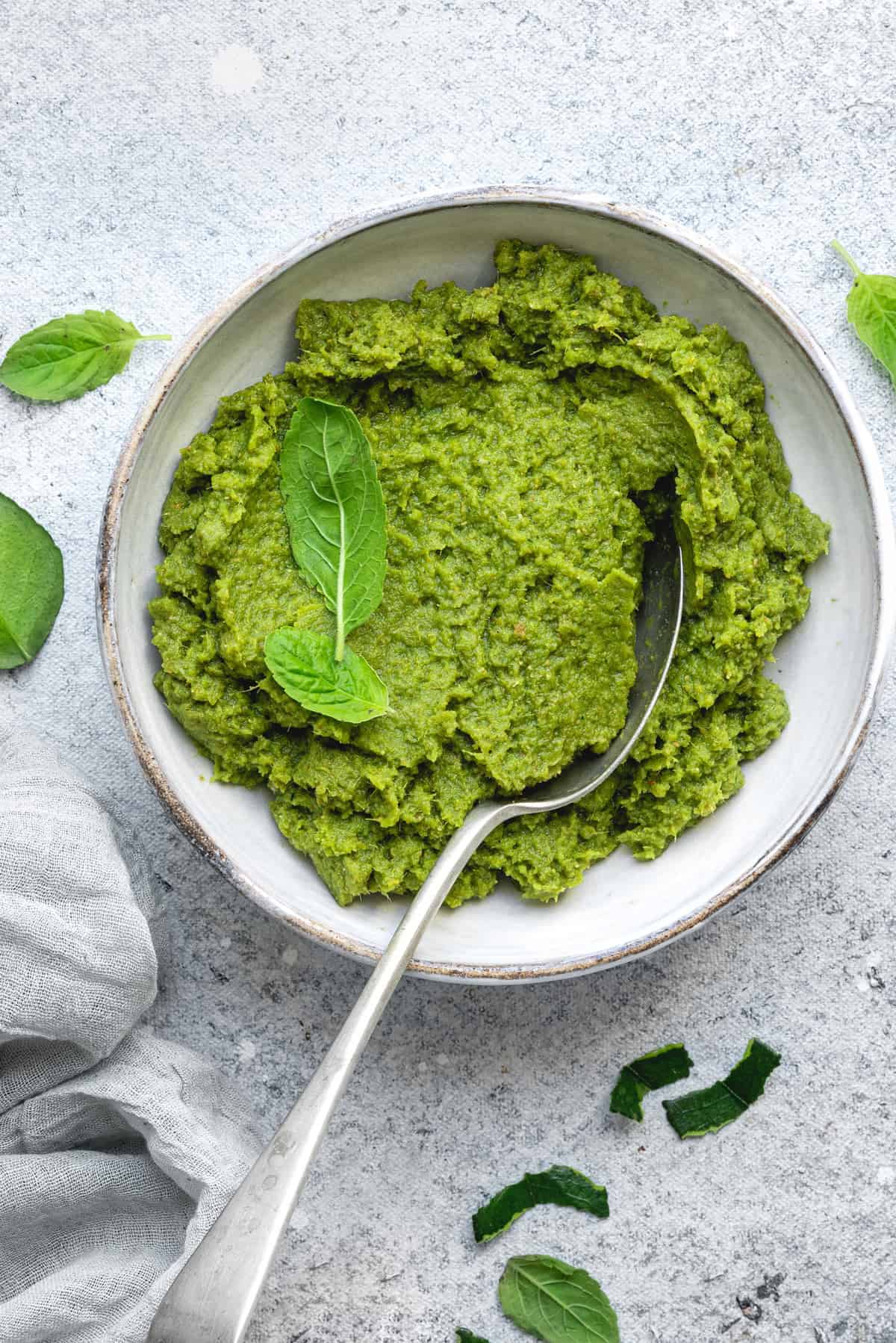
Blend until completely smooth, watching the paste turn its signature electric green. The flavor becomes herby, peppery, and full of life. Like a garden blended into pure deliciousness.

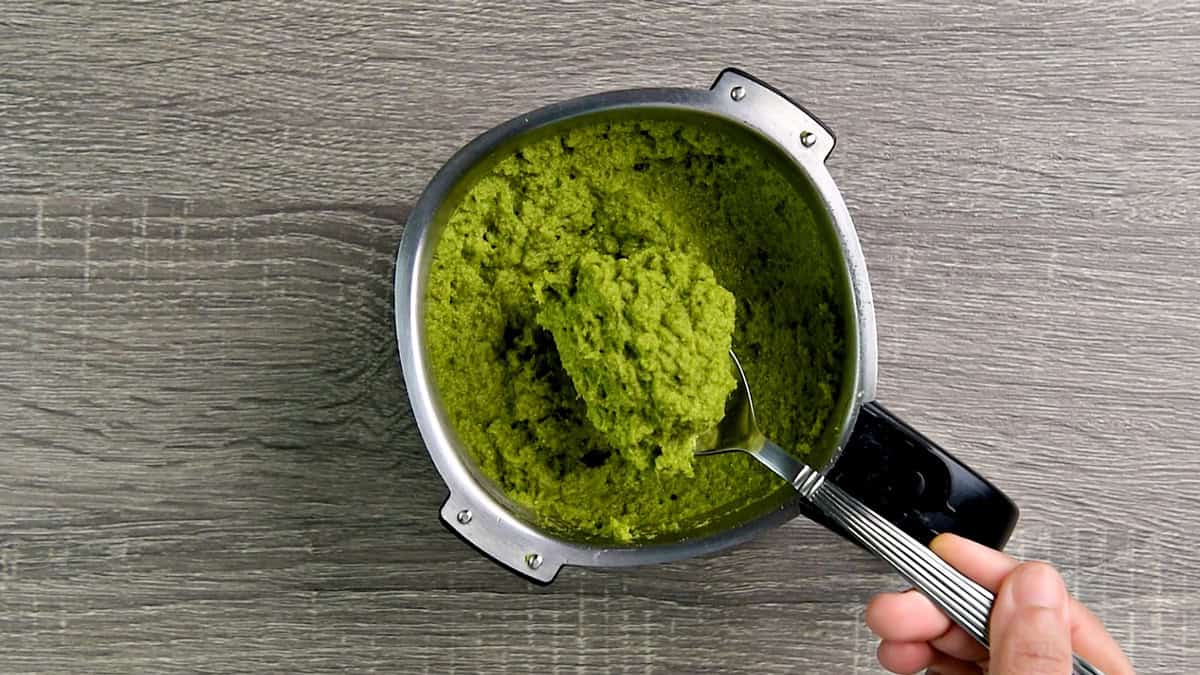
Scoop the finished paste into a clean jar and refrigerate for up to a week, or freeze in little cubes for easy cooking anytime.
How to make Thai yellow curry paste?
Add 2 chopped lemongrass stalks, 3 tablespoons chopped galangal, ¼ cup chopped garlic, 4 coriander roots, 3 tablespoons fresh turmeric (or 1 tablespoon turmeric powder), and ¼ cup chopped shallots to your blender. Blend until crushed and aromatic. The scent is warm, golden, earthy, and slightly peppery, exactly what makes yellow curry so comforting.


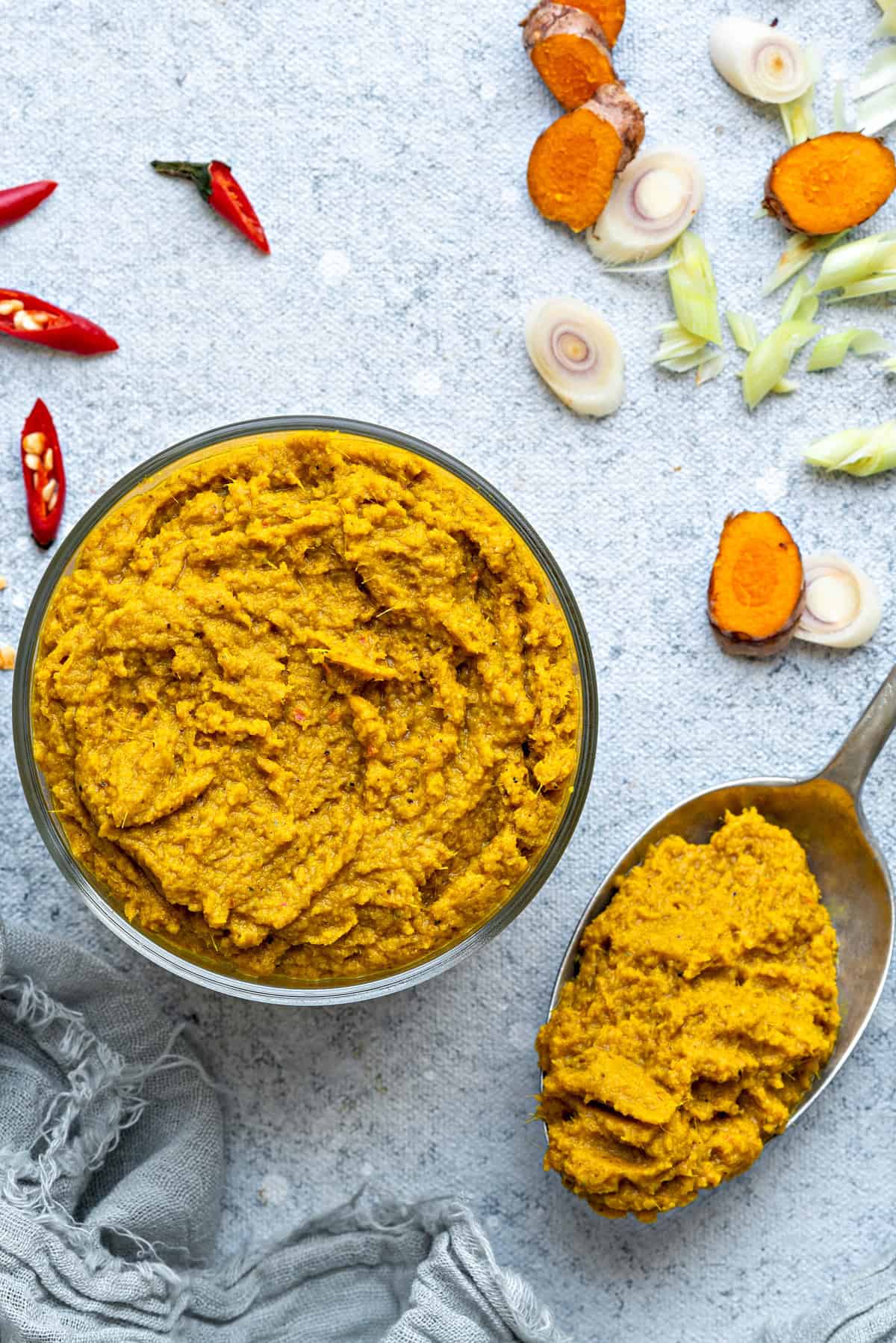
Now add in 2 teaspoons ground coriander, 1 teaspoon ground cumin, 1 Kaffir lime’s zest, 2 Kaffir lime leaves, 4 bird’s eye chilies, 1 teaspoon shrimp paste, 8–10 black peppercorns, 1 teaspoon sea salt, and 2–3 tablespoons water. Once blended smoothly, the paste takes on that vibrant yellow hue, bursting with cozy spice, gentle heat, and citrus notes.


Expert tips
- Use fresh, vibrant herbs and aromatics. Curry paste gets its bold flavor from ingredients that actually smell alive.
- Adjust your chilies with intention. Add more for heat, use fewer chilies for balance. Remember that bird’s eye chilies bring fire without losing the flavor.
- Wear gloves when handling chilies. Wear gloves for chilies. One accidental eye-rub and you’ll learn real fast why this matters.
- Remove the chili seeds if you want gentler heat. You’ll keep all the color while softening the spice for milder dishes.
- Slice your lemongrass thin. It helps your blender break it down smoothly so your paste becomes silky instead of fibrous.
- Use a high-speed blender for the best texture. It creates a smooth, restaurant-quality paste that holds its taste beautifully in curries and marinades.
- Taste and adjust before storing or serving. A little extra lime zest or garlic for an additional kick can make the paste perfectly suited to your cooking style.
FAQs
Swap shrimp paste with miso, soy sauce, or vegan fish sauce. Everything else stays the same.
Chop all ingredients very finely. Pound dry spices first, then add wet ingredients like garlic, lemongrass, galangal, and chilies until smooth.
Yes! It keeps in the fridge for up to a week and can be frozen for up to 3 months.
Absolutely. Remove seeds from chilies to reduce heat, or swap some bird’s eye chilies for milder varieties.
Yes! Stir-fries, soups, noodles, marinades, rubs for meat, and even dips or Thai-inspired cakes all benefit from it.
How to use Thai curry paste?
This curry paste works not only in Thai dishes but also adds instant flavor in so many other recipes! Here are my favorite ways to use it:
- Spring rolls & dips: A spoonful transforms homemade sauces and dipping blends into something irresistible.
- Curries: Perfect for red, green, or yellow curries with bold, fragrant depth.
- Cakes: Mix into chicken, crab, shrimp, or fish cakes for aromatic flavor.
- Fried rice & noodles: Stir in a spoonful for instant richness and heat.
- Soups: Add to broths or coconut-based soups for layered depth.
- Marinades & rubs: Blend with oil for tofu, meats - chicken, beef, fish, duck, lamb, or vegetables before cooking.
Storage and Freezing
To store, place your curry paste in a clean, airtight jar and store it in the refrigerator for up to one week. Always use a clean spoon when scooping it out so it stays fresh and vibrant.
If you are planning on freezing your curry paste for later use, portion the curry paste into silicone ice cube trays, freeze, then transfer the cubes to a zip-top bag. They’ll keep for up to three months and are perfect for quick weeknight meals without losing any flavor.
You might also like
Making homemade curry paste feels like unlocking a secret shortcut in your kitchen. Bold and ready whenever you are. If you try this one, let me know. I would love to hear how you enjoyed this Thai Curry Paste!
If you are looking for more delicious and easy recipes delivered straight to your inbox, you can sign up for my email newsletter. You can also follow me on Pinterest, Instagram, or Facebook to see more of my kitchen creations.

Thai Curry Paste Recipe - Red, Green & Yellow
Ingredients
For Thai red curry paste
- 15 mild dried red chilies (cut into half inch )
- 2 teaspoons coriander seeds
- 6-8 black peppercorns
- 1 teaspoon sea salt
- 3-4 coriander roots with stalks
- 2 chopped lemongrass stalks
- 3 tablespoons chopped galangal (or grated)
- ¼ cup chopped shallots
- ¼ cup chopped garlic
- 1 lime zest
- 4-5 bird's eye chilies
- 1 teaspoon shrimp paste (or miso paste/fish sauce/soy sauce)
- 3-4 tablespoons water
For Thai green curry paste
- 4 chopped lemongrass stalks (sliced or chopped)
- 3 tablespoons chopped galangal (ped )
- 10 chopped garlic cloves (roughly chopped)
- 1 tablespoon coriander seeds
- 1 teaspoon cumin seeds
- 3-4 coriander roots
- ¼ cup chopped shallots
- 8 Thai green chilies (or as per the spiciness you like)
- 3 makrut lime leaves
- 1 makrut lime zest
- 20 Thai basil leaves
- ¼ cup coriander leaves (loosely packed)
- 1 teaspoon white pepper powder
- 1 teaspoon sea salt
- ¼ teaspoon turmeric
- 1 teaspoon shrimp paste (or miso paste/fish sauce/soy sauce)
- 2-3 tablespoons water
For Thai yellow curry paste
- 2 chopped lemongrass stalks (sliced or chopped)
- 3 tablespoons chopped galangal
- ¼ cup chopped garlic
- 4 coriander roots
- 3 tablespoons fresh turmeric (or 1 tablespoon turmeric powder)
- ¼ cup chopped shallots (chopped)
- 2 teaspoons ground coriander
- 1 teaspoon ground cumin
- 1 makrut lime zest (or lime zest)
- 2 makrut lime leaves
- 4 bird's eye chilies
- 1 teaspoon shrimp paste (or miso paste/fish sauce/soy sauce)
- 8-10 black peppercorns
- 1 teaspoon sea salt
- 2-3 tablespoons water
Instructions
To make red curry paste:
- Start by adding 15 mild dried red chilies, 2 teaspoons coriander seeds, 1 teaspoon sea salt, 6-8 black peppercorns, 3-4 coriander roots with stalks, and 3 tablespoons chopped galangal, 2 chopped lemongrass stalks to the high-speed blender jar and blitz until everything breaks down into crumbs
- Then, add ¼ cup chopped shallots, ¼ cup chopped garlic, 1 lime zest, 4-5 bird's eye chilies, 1 teaspoon shrimp paste, along with 3-4 tablespoons water. Blend again until a smooth paste.
- You can basically check and adjust the ingredients like chilies, lime, garlic, and salt, if desired. Transfer to a clean airtight jar and use as required.
To make green curry paste:
- In a high-speed blender jar, add 4 chopped lemongrass stalks, 3 tablespoons chopped galangal, 10 chopped garlic cloves, 1 tablespoon coriander seeds, 1 teaspoon cumin seeds, 3-4 coriander roots, and blend to crush the ingredients into crumbs.
- Now add ¼ cup chopped shallots, 8 Thai green chilies, 3 makrut lime leaves, 1 makrut lime zest, 20 Thai basil leaves, ¼ cup coriander leaves, 1 teaspoon white pepper powder, 1 teaspoon sea salt, ¼ teaspoon turmeric, 1 teaspoon shrimp paste, and 2-3 tablespoons water. Blend again until the green curry paste is smooth.
- Use as required. Transfer to a clean jar and refrigerate up to a week or freeze it.
To make yellow curry paste:
- Add 2 chopped lemongrass stalks, 3 tablespoons chopped galangal, ¼ cup chopped garlic, 4 coriander roots, 3 tablespoons fresh turmeric, and ¼ cup chopped shallots to a blender jar and blitz until crushed well.
- Now add 2 teaspoons ground coriander, 1 teaspoon ground cumin, 1 makrut lime zest, 2 makrut lime leaves, 4 bird's eye chilies, 1 teaspoon shrimp paste, 8-10 black peppercorns, 1 teaspoon sea salt, and 2-3 tablespoons water. Blend everything to a smooth paste. Transfer to a clean jar and refrigerate up to a week or freeze.
Kate says
This is a great recipe for all the three versions, Thanks so much. I did only one swap - that’s shrimp paste with soy sauce and made green curry with chicken and vegetables for dinner tonight. It tasted like authentic Thai restaurants, very delicious, my husband LOVED it. Rightly said it’s a keeper recipe!
Farrukh Aziz says
Thank you very much for your lovely feedback Kate. So happy to hear that. 🙂